
top of page
Search

How does microneedling improve skin health?

  • Writer: Khubaib Mashhood
    Khubaib Mashhood
  • Dec 12
  • 3 min read

Updated: 6 days ago

Microneedling has gained popularity as a skincare treatment that promises to refresh and rejuvenate the skin. But how does microneedling improve skin health? This blog post explores the science behind microneedling, its benefits, and practical insights to help you understand why it might be a valuable addition to your skincare routine.


What is microneedling?


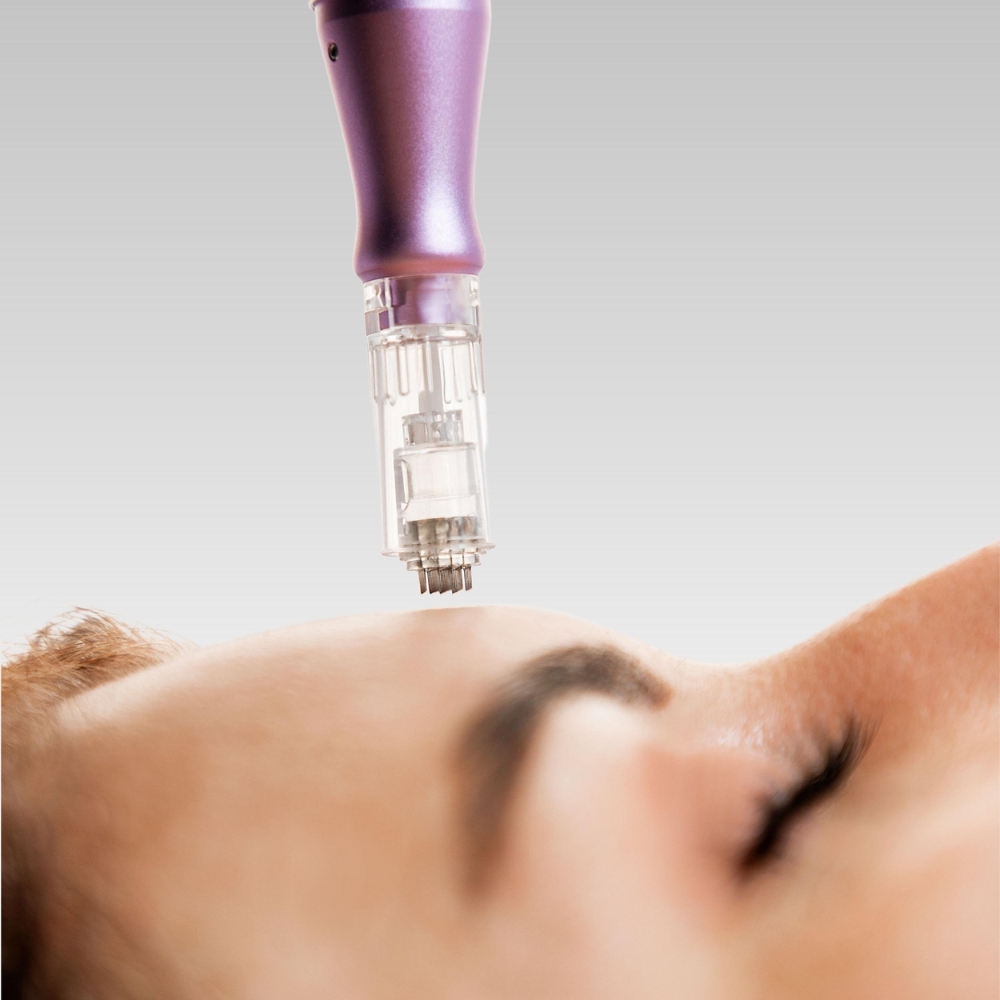
Microneedling, also known as collagen induction therapy, involves using a device covered with tiny needles to create controlled micro-injuries on the skin’s surface. These small punctures trigger the skin’s natural healing process, stimulating collagen and elastin production. Collagen and elastin are proteins responsible for skin strength, elasticity, and overall youthful appearance.


The procedure can be done using various tools, including derma rollers, pens, or automated devices. The depth and density of needle penetration vary depending on the treatment goals and skin type.

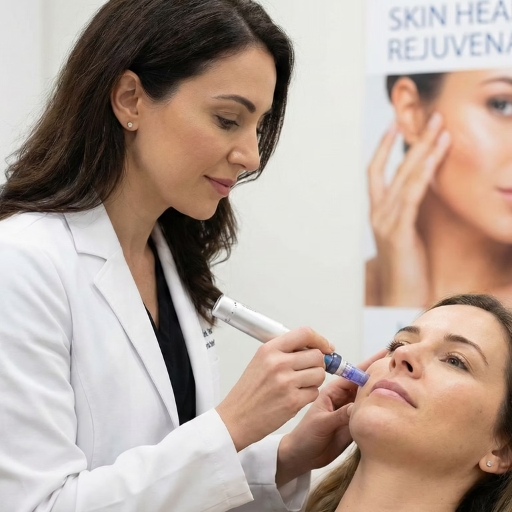
Dermatologist in a white coat performs a facial treatment on a patient in a clinic. A poster reads "Skin Health & Rejuvenation."

How microneedling triggers skin repair


When the skin experiences micro-injuries from the needles, it activates a healing cascade:


  • Inflammation phase: The body sends immune cells to the treated area to clear damaged cells and prepare for repair.

  • Proliferation phase: Fibroblasts produce new collagen and elastin fibers to rebuild the skin matrix.

  • Remodeling phase: The new collagen organizes and strengthens, improving skin texture and firmness.


This natural repair process improves skin health by replacing old, damaged tissue with fresh, resilient skin.

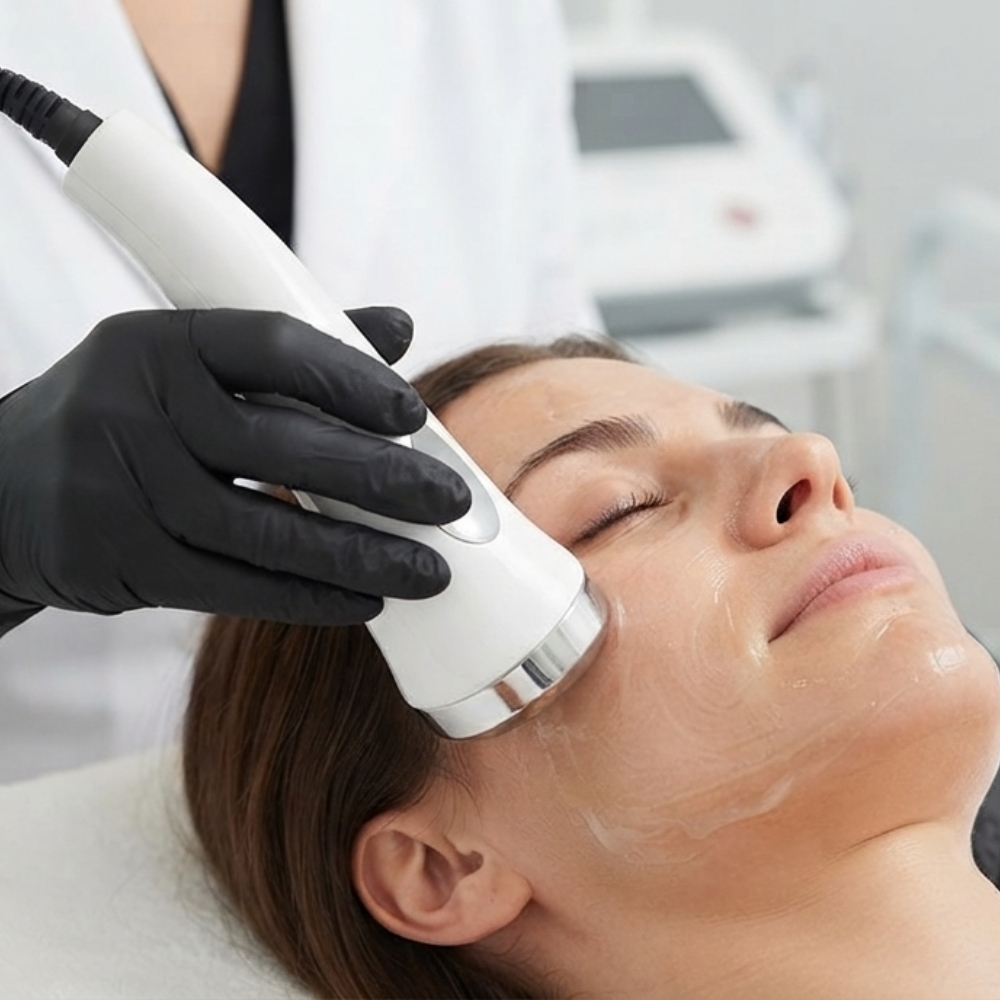
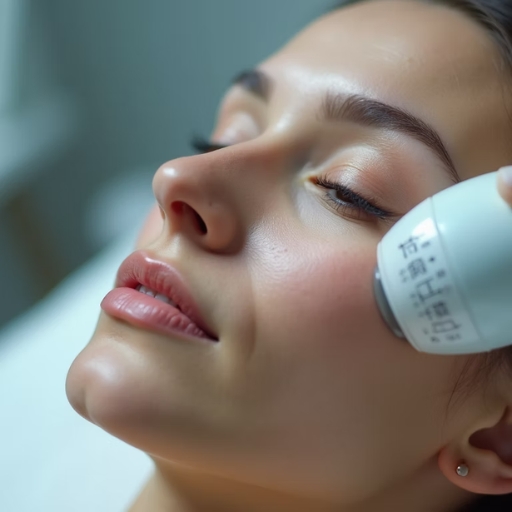
A woman receives a facial treatment with a handheld device in a clinical setting. A tablet displays skin analysis on a nearby table.

Benefits of microneedling for skin health


Understanding how does microneedling improve skin health involves looking at the specific benefits it offers:


1. Reduces fine lines and wrinkles


By boosting collagen production, microneedling helps fill in fine lines and wrinkles. Over time, the skin becomes firmer and smoother, reducing visible signs of aging.


2. Improves skin texture and tone


Microneedling promotes even skin renewal, which can reduce rough patches, scars, and uneven pigmentation. This leads to a more uniform complexion.


3. Minimizes acne scars and stretch marks


The treatment breaks down old scar tissue and encourages new tissue growth. Many people see a noticeable reduction in acne scars and stretch marks after several sessions.


4. Enhances absorption of skincare products


The microchannels created by the needles allow topical products to penetrate deeper into the skin. This increases the effectiveness of serums and creams applied after treatment.


5. Tightens and firms skin


As collagen and elastin rebuild, the skin gains elasticity and strength, which helps reduce sagging and improves overall firmness.

Woman receiving facial treatment with a dermapen in a bright room. Relaxed expression, green plants in the background.

What to expect during a microneedling session


A typical microneedling session lasts about 30 to 60 minutes. Here’s what usually happens:


  • The skin is cleansed and numbing cream is applied to reduce discomfort.

  • The practitioner uses the microneedling device to treat the targeted areas.

  • After treatment, soothing serums or moisturizers are applied.

  • Mild redness and swelling may occur but usually subside within a few days.


Most people require multiple sessions spaced 4 to 6 weeks apart to see optimal results.


Safety and side effects


Microneedling is generally safe when performed by trained professionals. Common side effects include temporary redness, mild swelling, and slight skin sensitivity. These effects usually resolve quickly.


People with active skin infections, severe acne, or certain skin conditions should avoid microneedling or consult a dermatologist first.

Aesthetician in mask applies treatment to a woman's face in a bright spa room with outdoor garden view. Products line shelves.

How to maximize benefits after microneedling


To get the most from microneedling, follow these tips:


  • Avoid sun exposure: The skin is more sensitive after treatment, so use sunscreen diligently.

  • Use gentle skincare: Avoid harsh exfoliants or irritating products for several days.

  • Stay hydrated: Drinking water supports skin healing.

  • Follow professional advice: Stick to recommended treatment schedules and aftercare instructions.


Who can benefit from microneedling?


Microneedling suits a wide range of skin types and concerns. It is especially helpful for people looking to:


  • Reduce signs of aging

  • Improve acne scars or other types of scarring

  • Even out skin tone and texture

  • Enhance skin firmness


Because the treatment is customizable, practitioners can adjust needle depth and technique to fit individual needs.


Final thoughts on how does microneedling improve skin health


Microneedling works by stimulating the skin’s natural repair mechanisms, leading to increased collagen and elastin production. This process improves skin texture, reduces wrinkles and scars, and enhances overall skin health. While results take time and multiple sessions, many find microneedling a valuable tool for rejuvenating their skin.


If you are curious about how does microneedling improve skin health, consider consulting a licensed skincare professional to discuss your goals and determine if this treatment fits your needs. With proper care and realistic expectations, microneedling can be a safe and effective way to support healthier, more radiant skin.


Comments


bottom of page